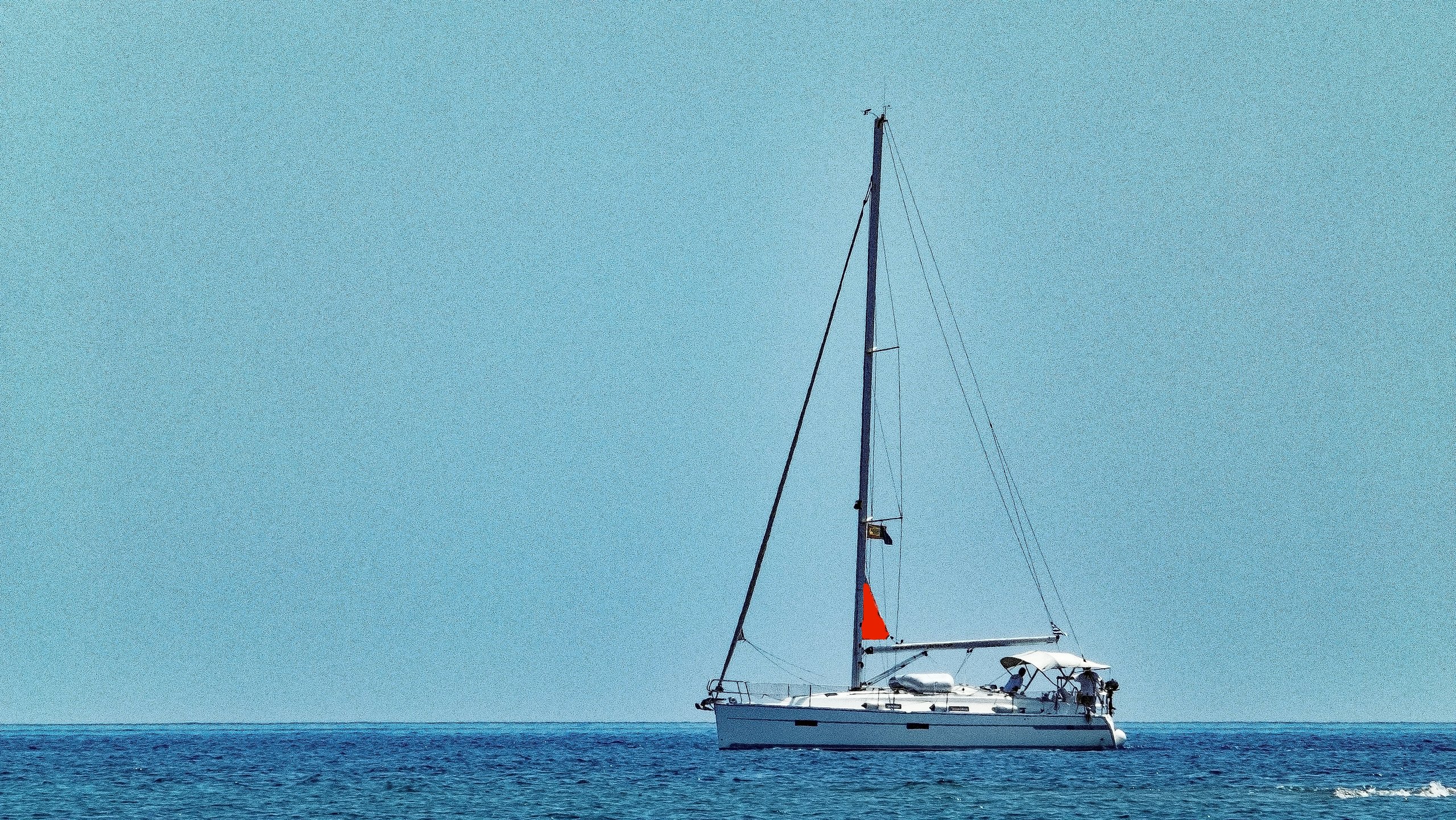
Greece is not one cruising area. It is four or five separate ones, several hundred nautical miles apart, and the difference between them matters more than the difference between individual yachts. A week in the Ionian and a week in the Cyclades produce almost opposite holidays, and no charter moves between them inside seven nights.
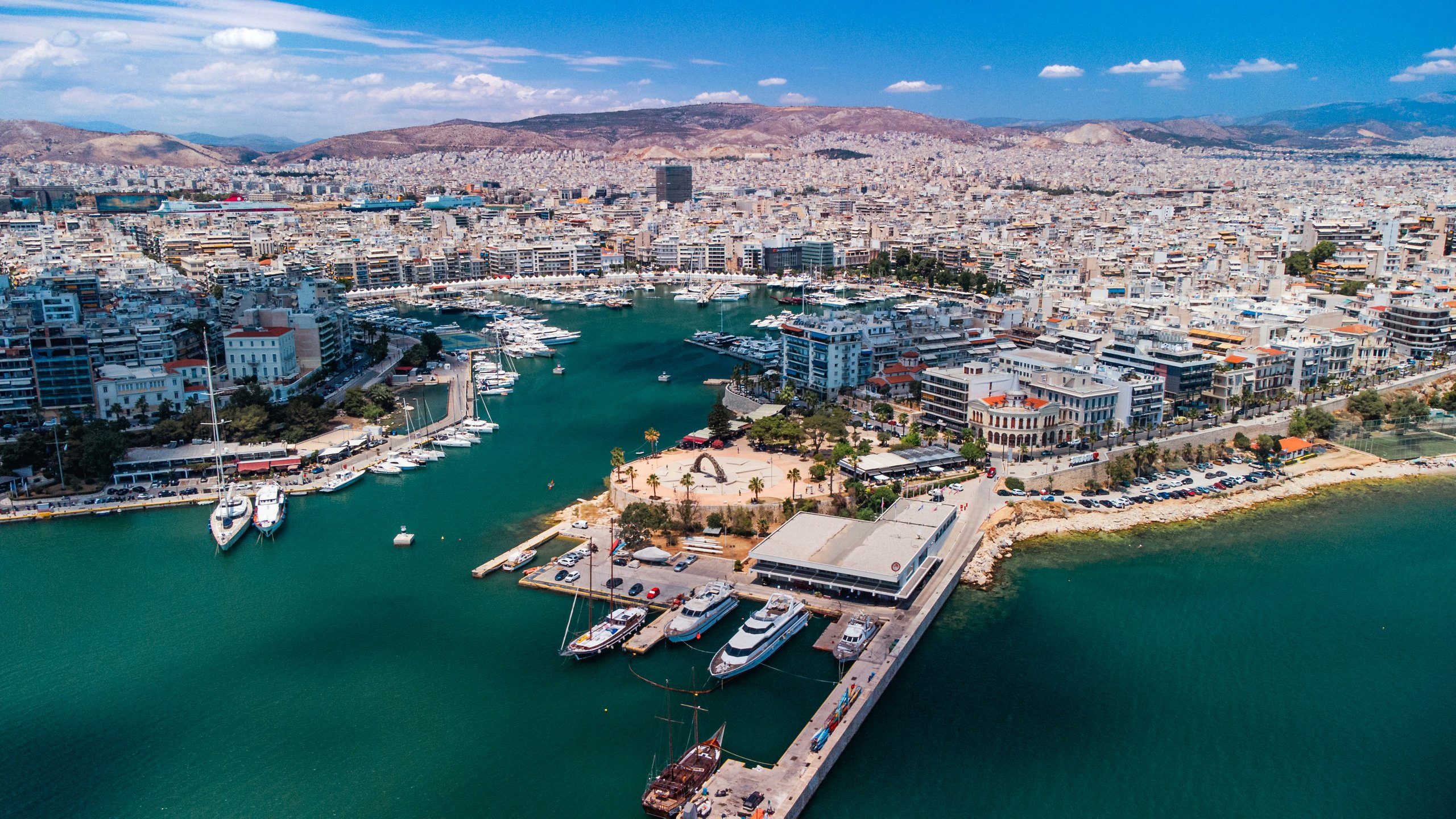
The Saronic Gulf, immediately south of Athens, is the gentlest option: Aegina, Poros, Hydra and Spetses sit within short hops of each other, the water is protected, and Athens airport is under an hour from the marina. It suits shorter charters, mixed-age groups and anyone who wants a day at the Acropolis before boarding.
The Cyclades — Mykonos, Paros, Naxos, Syros — are the islands most people picture, and they come with the meltemi, a northerly wind that blows hardest from mid-July to late August. A good captain plans Cycladic routes downwind and keeps flexibility in the schedule; on windy days the route changes, and that is normal rather than a problem.
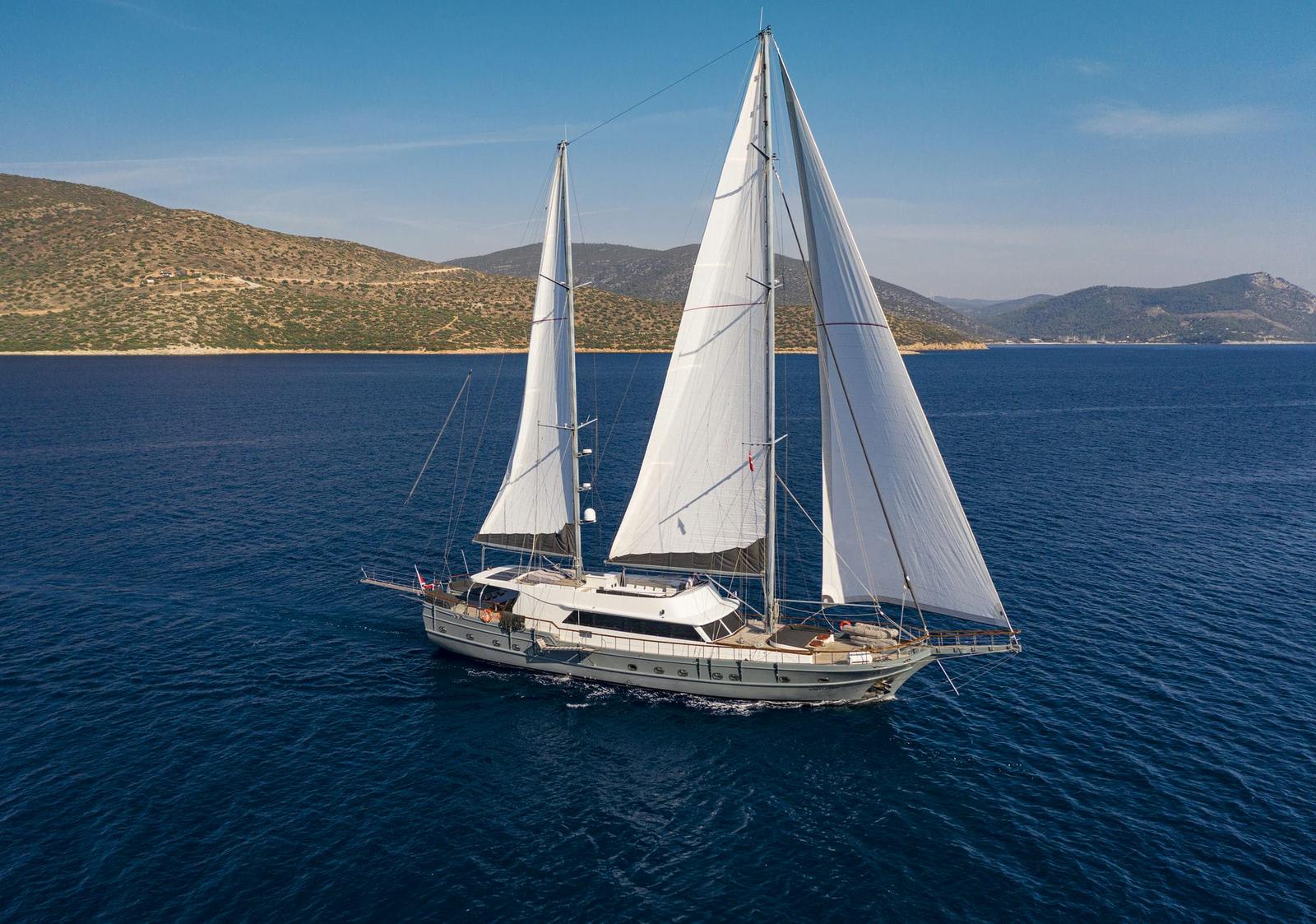
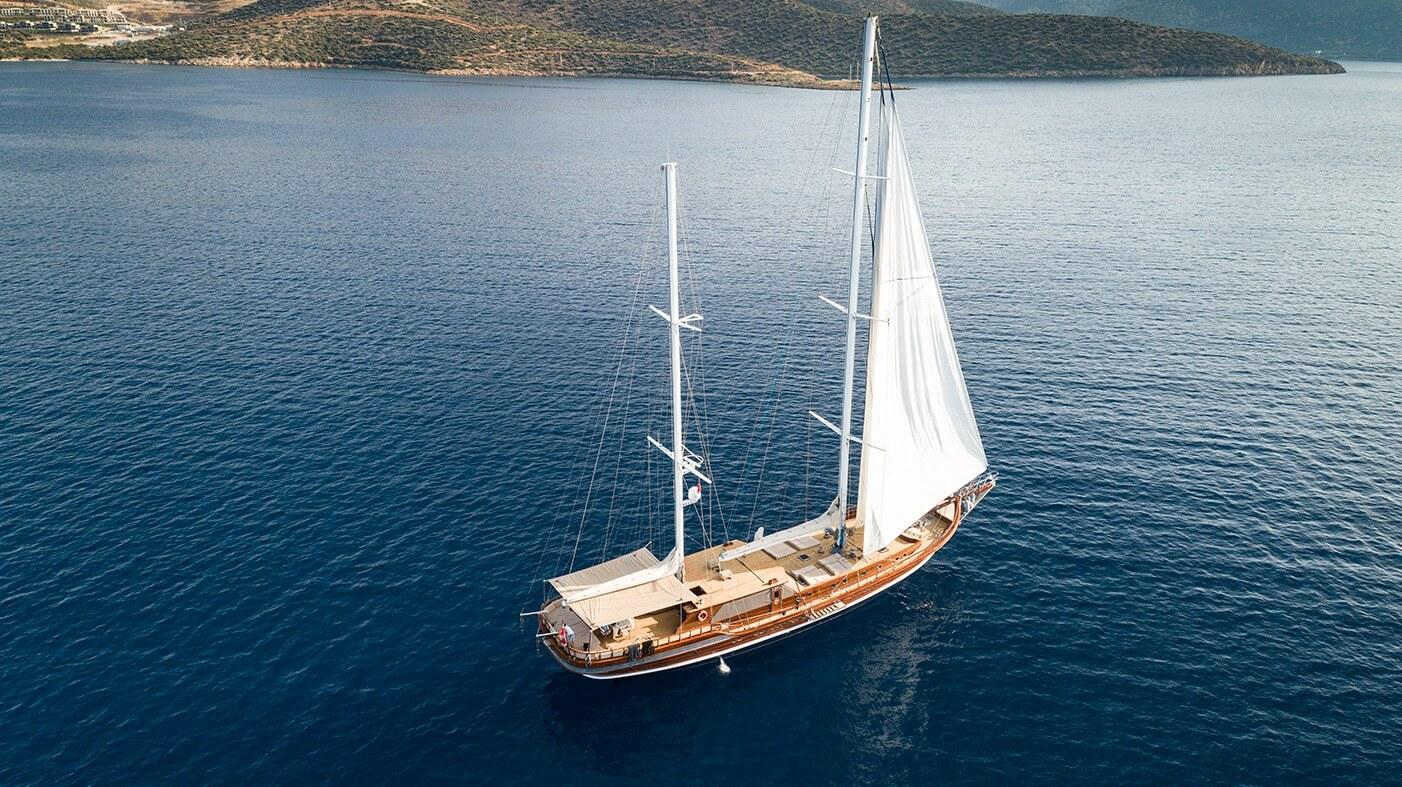
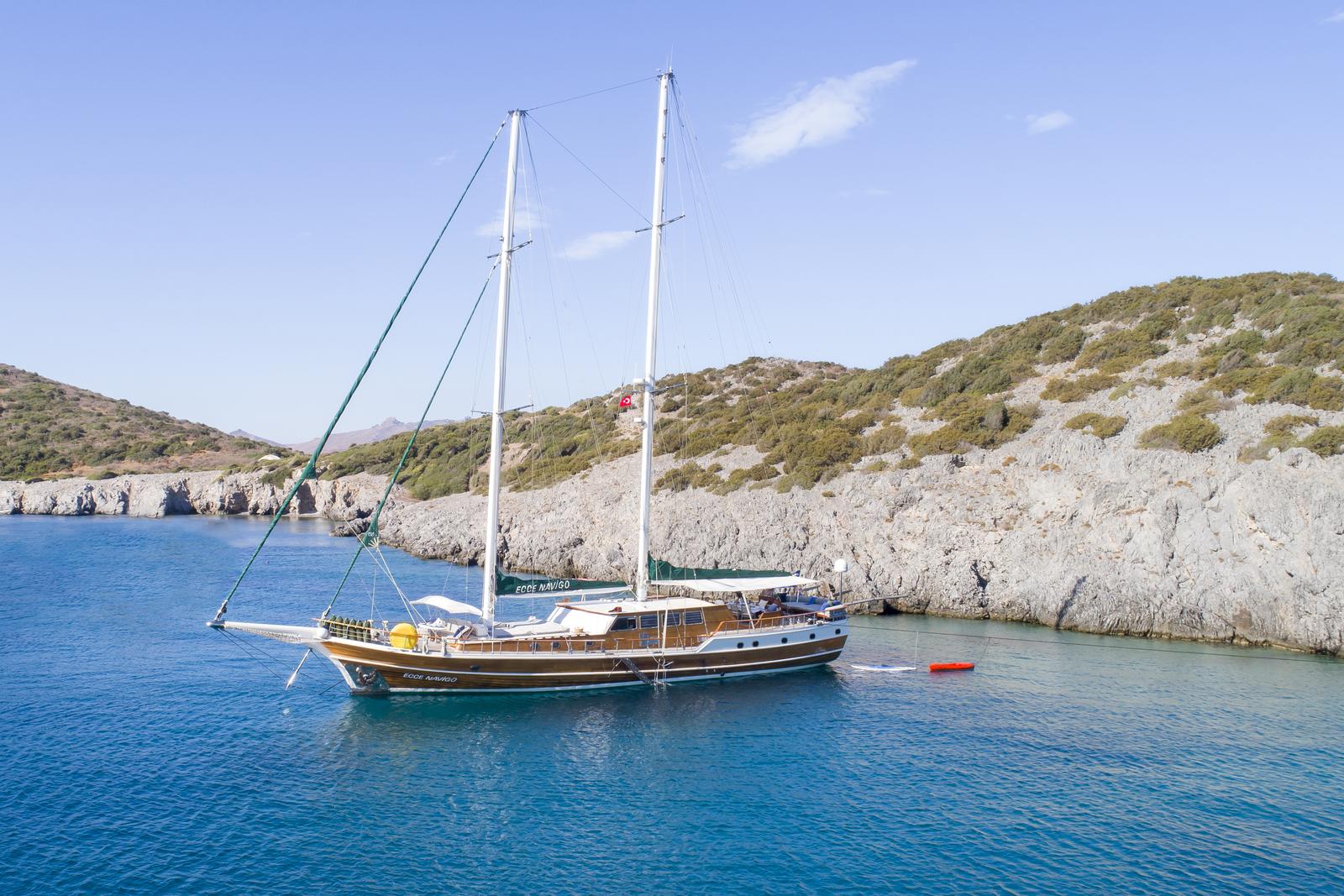
The Dodecanese, reached from Kos or Rhodes, are more sheltered than the Cyclades and unusually varied: the medieval walled town of Rhodes, the neoclassical harbour at Symi, the monastery on Patmos and the sponge-diving history of Kalymnos, all within comfortable daily distances. This group has the strongest concentration of gulets in Greece.
The Ionian Islands — Corfu, Paxos, Lefkada, Kefalonia, Ithaca — are green, calmer and shorter on passages, with an afternoon breeze rather than a strong seasonal wind. They suit families and first-time charter guests who want reliable swimming and easy days.
Because the yacht’s home port fixes the region, the practical order is: choose the island group, then look at gulets based there for your dates. A yacht based in Kos can be delivered to another base, but delivery costs money and eats charter days. Cross-border itineraries into Turkey are possible from the Dodecanese and add clearance formalities and fees, so they need to be agreed in writing before booking.